

























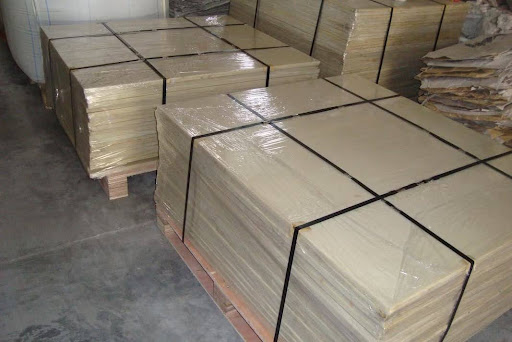
Have you ever stood in front of a rack of plastic sheets, completely unsure which one is best for your project? You’re not alone. With options like nylon, HDPE, and PVC on offer, figuring out which material to choose—and what thickness to go for—can be overwhelming. If your project requires strength, wear resistance, and precision, nylon sheet cut to size might be exactly what you need.
In this guide, we’ll break down everything you need to know about nylon sheets in Australia, from their properties and types to where to buy them and whether DIY cutting or professional services make the most sense. By the end, you’ll feel confident in selecting the perfect nylon solution for your specific application.
What is a Nylon Sheet and Why Use It?
Nylon is a thermoplastic polymer that falls under the polyamide family. First developed in the 1930s, it has since become one of the most versatile engineering plastics available today. When processed into sheet form, nylon delivers a unique combination of strength, toughness, and machinability.
Compared to other plastics, nylon stands out because:
- It has excellent tensile strength, often exceeding 12,000 PSI.
- It wears far better than softer plastics like HDPE or UHMW.
- It can absorb impact without cracking, unlike brittle materials such as acrylic.
- It operates across a wide temperature range (-40°C to 120°C, depending on the grade).
This makes nylon ideal for demanding applications such as gears, bushings, wear strips, machine guards, and load-bearing components.
Types of Nylon Sheets You’ll Find in Australia
When buying nylon sheet cut to size, you’ll usually encounter two main types:
1. Cast Nylon (Type 6 Cast)
Made by pouring liquid nylon into moulds, cast nylon is strong, stable, and ideal for heavy-duty applications. It has better dimensional stability than extruded nylon, making it popular for industrial use.
2. Extruded Nylon (Type 6 or 66)
Produced by forcing molten nylon through dies, extruded nylon is slightly softer, more economical, and widely available. For general use or lighter applications, it’s often the most budget-friendly option.
3. Specialty Grades
- Glass-filled nylon: Enhanced stiffness and stability.
- Oil-filled nylon: Self-lubricating, perfect for bearings.
- UV-stabilised nylon: Designed for outdoor use.
Nylon vs HDPE vs PVC: Making the Right Choice
Before deciding on nylon, it helps to compare it with two common alternatives:
HDPE (High-Density Polyethylene): Excellent chemical resistance and ideal for outdoor use, but less rigid than nylon. Perfect for marine projects and food applications.
PVC (Polyvinyl Chloride): Flame-resistant and good for signage or chemical environments, but not as strong mechanically.
Nylon: Superior for load-bearing, precision machining, and wear resistance, though more expensive than HDPE or PVC.
If your project demands strength, heat resistance, and longevity, nylon is usually worth the investment.
Choosing the Right Thickness
One of the most important decisions is selecting the right thickness for your sheet.
10mm nylon sheet: Great for moderate loads and general use.
20mm to 30mm sheets: Suitable for heavy-duty applications with high mechanical stress.
Thicker plates (40mm+): Used in specialised engineering, machinery, or structural projects.
A simple rule of thumb: doubling the thickness makes the sheet around eight times stiffer. So, even a small increase in thickness dramatically improves load-bearing performance.
Colour Options: White, Black, and More
Colour doesn’t generally affect nylon’s performance, but it can help in certain industries:
White nylon sheet: Standard and most common, often used in food or medical settings where visibility of contamination matters.
Black nylon sheet: Better UV resistance, popular for outdoor use.
Blue nylon: Easy to detect in food processing environments.
Indoor vs Outdoor Applications
Indoor projects: Standard nylon works brilliantly and lasts for decades in controlled environments.
Outdoor projects: Go for UV-stabilised or black nylon to reduce degradation from sunlight.
Where to Buy Nylon Sheets in Australia
You have two main options when sourcing nylon sheet cut to size:
1. Hardware Stores (e.g., Bunnings)
Bunnings stocks basic nylon sheets in common sizes, suitable for DIY jobs. The advantage is convenience—you can buy and take it home immediately. However, selection is limited, and precision cutting is usually not available.
2. Specialist Plastic Suppliers
For engineering-grade materials, specialist suppliers are the way to go. They offer a wider range of grades, professional advice, and precision cutting services. Bulk orders and technical certifications are also easier to obtain.
Cutting Nylon Sheets: DIY vs Professional Services
DIY Cutting
If you have the right tools (like a fine-toothed saw or table saw), you can cut thin sheets at home. However, nylon can melt if the blade overheats, leaving rough edges that require finishing.
Professional Cutting
Plastic suppliers often provide CNC machining or precision panel cutting. This ensures perfect dimensions and clean edges—ideal for industrial projects or when multiple identical pieces are required.
If accuracy is critical, paying for professional cutting is a smart investment.
Cost Considerations
Nylon sheets generally cost more than HDPE or PVC. Expect to pay:
- 20–40% more than HDPE for similar sizes.
- Additional cutting charges (often a few dollars per cut).
- Higher prices for specialty grades like glass-filled or oil-filled nylon.
While the upfront cost may seem higher, nylon’s durability and reduced wear often make it more cost-effective in the long run.
A Buyer’s Checklist Before Ordering
Here are a few key questions to ask before placing your order:
- What grade of nylon is this (cast, extruded, or specialty)?
- What cutting tolerances do you provide?
- Are there minimum order quantities?
- Do you supply technical data sheets or certifications?
- What are the lead times for delivery or cutting services?
Asking these ensures you get exactly what you need—without surprises.
Final Thoughts
Selecting the right nylon sheet cut to size doesn’t have to be complicated. By understanding nylon’s strengths, comparing it to alternatives like HDPE and PVC, and considering your project’s specific requirements, you can confidently choose the best material.
Whether you’re building a machine guard, fabricating components, or working on a custom project at home, nylon’s durability and versatility make it one of the best engineering plastics available. For everyday DIY needs, a trip to Bunnings may be enough, but for precise industrial applications, specialist suppliers with cutting services are the smarter choice.
In the end, the key is simple: match the right nylon grade and thickness to your project’s demands, and you’ll get a long-lasting, reliable result that proves why nylon remains such a trusted material.