



























If you sneeze your way through spring, wake up congested, or dust a surface only to watch it reappear within days, your window coverings might be quietly working against you. Curtains and blinds are some of the largest fabric surfaces in a home, and they sit right in the path of airflow, which makes them natural collectors of dust, pollen and pet dander.The good news is that choosing easy-to-clean coverings and keeping them maintained can make a noticeable difference.
Why windows are an allergy hotspot
Air moves in and out around windows all day, carrying fine particles with it. Anything positioned there, whether heavy drapes, textured fabrics or slatted blinds, becomes a landing pad. Warm, still folds of fabric also hold humidity, which is exactly what dust mites like. For anyone with hay fever, asthma or a dust-mite allergy, the window is one of the most overlooked triggers in the house, and often one of the easiest to fix.
The coverings that collect the most, and the least
Not all window furnishings are equal when it comes to allergens.
- Heavy, layered curtains trap the most dust and are the hardest to clean regularly. If you love the look, choose machine-washable fabrics and wash them often.
- Fabric blinds with lots of texture or folds hold more than smooth surfaces, though many are still simpler to maintain than full-length drapes.
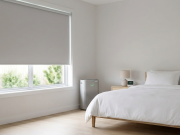
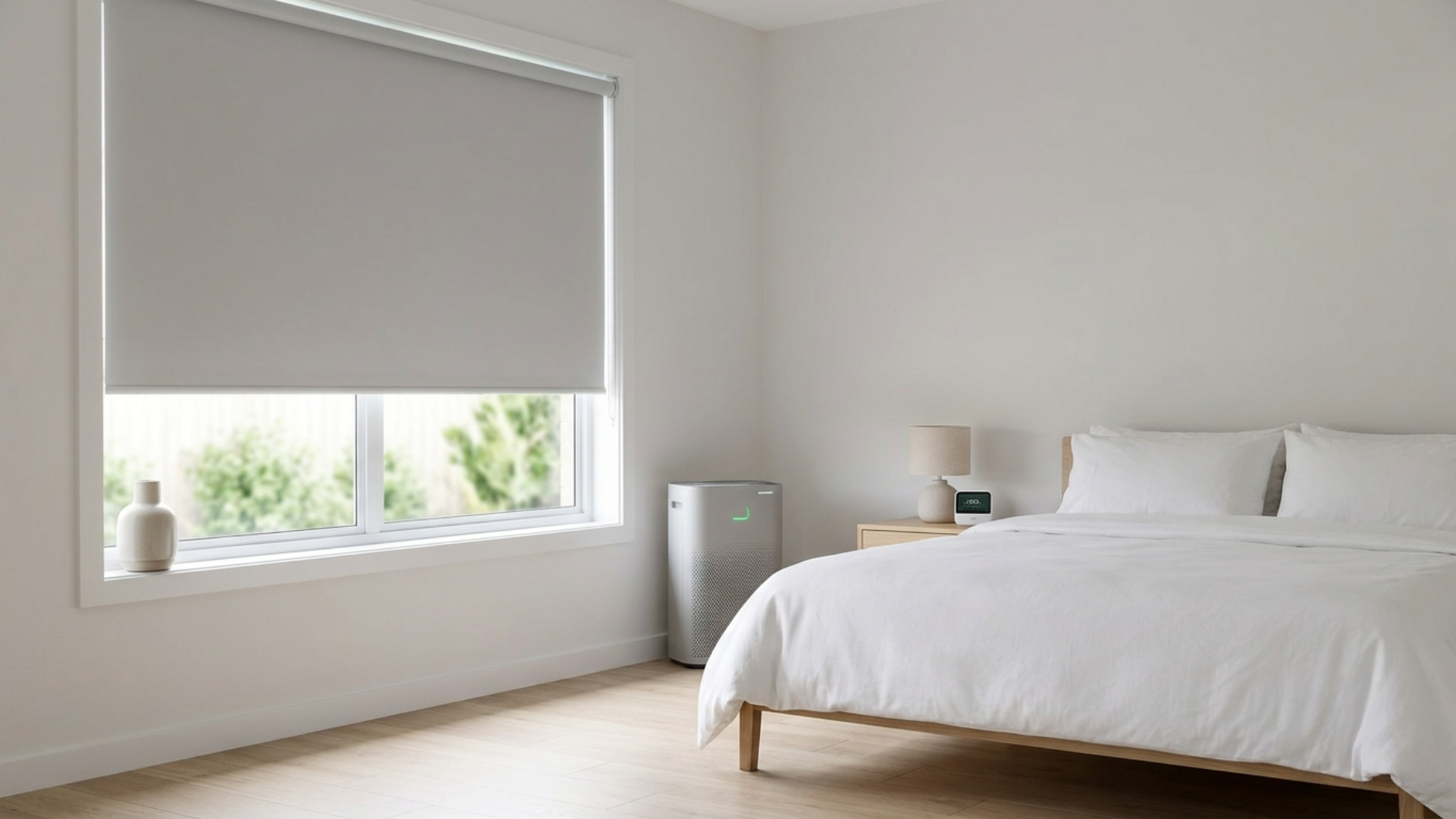
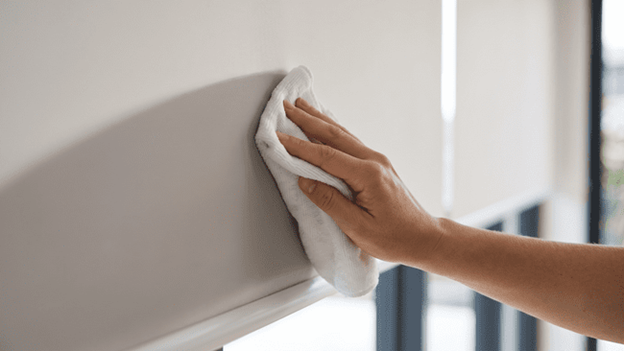
- Smooth roller blinds are among the easiest to keep clean. A quick wipe removes surface dust rather than letting it embed in fabric folds.
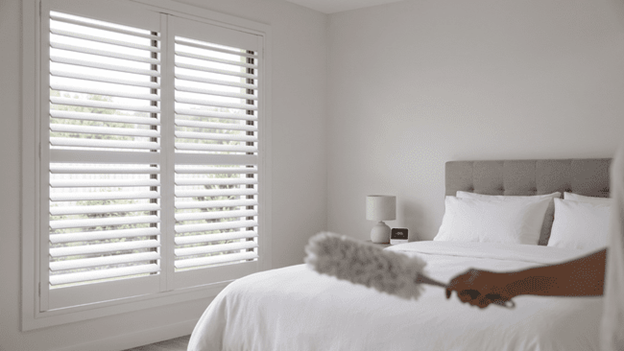
- Hard-surface options like shutters and aluminium or timber Venetians do not hold dust the way fabric does and can be wiped down in minutes.
If allergies are a real concern, leaning towards smooth, wipeable surfaces makes ongoing cleaning far more manageable, and far more likely to actually happen.
Simple habits that make a big difference
Whatever coverings you have, a few routines keep allergens down:
- Dust little and often. A weekly wipe or a vacuum with a brush attachment stops build-up rather than letting it accumulate.
- Use a damp cloth, not a dry one. Dry dusting sends particles airborne; a damp cloth captures them instead.
- Wash washable fabrics regularly. Curtains and soft furnishings benefit from a wash every few months.
- Manage humidity. Good ventilation and keeping rooms from getting damp discourages dust mites, which thrive in still, humid air.
None of this takes long, and done consistently it makes a noticeable difference to the air you breathe indoors, especially in bedrooms where you spend a third of your day.
Choosing with allergies in mind
If someone in your home struggles with allergies, it is worth factoring that in the next time you update your window coverings. Think beyond colour and style to how easy each option is to keep clean. Smooth, wipeable choices like easy-clean roller blinds, shutters or Venetians let you clear dust in a single quick pass, which over a year adds up to a noticeably fresher, healthier home. It is a small consideration at the point of choosing, but one you will feel the benefit of every week afterwards.
Bedrooms deserve particular attention. Reducing night-time allergen exposure is one of the most effective changes you can make, because it is where you spend the most continuous hours. Swapping a heavy, dust-holding treatment in the bedroom for something smooth and wipeable can genuinely improve how you sleep and how you feel in the morning.
A healthier home without stripping it bare
You do not have to remove every soft furnishing from the house to breathe easier. Curtains and textured fabrics still have their place, and for many rooms they are perfectly fine with regular care. The point is simply to be intentional: choose lower-dust coverings where allergies are a concern, keep a light and regular cleaning routine, and pay extra attention to the rooms where you spend the most time.
A sensible mix of easy-to-clean window coverings and a few good habits goes a long way. For allergy sufferers, that combination can be the difference between a home that quietly aggravates symptoms all year and one that actively helps you breathe easier.